
🌍 Join Our Learning Community 🌍
My trainings are carefully crafted to provide you with practical skills, theoretical insights, and real-world case studies. Led by experienced facilitators and experts in their respective fields, our programs foster interactive learning, meaningful discussions, and opportunities for networking and collaboration.
Whether you’re a student, researcher, activist, or professional working towards positive change, our trainings offer a valuable platform to enhance your knowledge, broaden your perspectives, and make a tangible impact in your field of interest.
Analysis of Infrastructures of Peace
The Analysis of Infrastructures of Peace training is designed to provide peace practitioners with a comprehensive understanding of various analytical frameworks and methodologies used in assessing and developing effective peace infrastructures. Participants will gain valuable insights into strategic peace analysis and creating indicators form a intersectionality perspective of peace infrastructures. Through interactive discussions and case studies, participants will enhance their skills in analyzing and strengthening peace infrastructures in diverse contexts.

Environmental History and Political Ecology for Conflict Analysis and Peace Practice
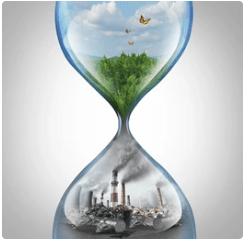
Discover how environmental history provides valuable insights into past conflicts and their environmental impacts. Explore case studies and examine historical events through an environmental lens, unraveling the complex interplay between natural resources, land use, and societal dynamics. By understanding the historical context, you’ll be equipped to analyze present-day conflicts and contribute to conflict resolution.
Dive into the realm of political ecology and examine the power dynamics, institutions, and discourses that shape resource conflicts. Explore how political, economic, and social factors intersect with environmental issues, influencing conflicts and peace-building efforts. Through the lens of political ecology, you’ll develop a holistic understanding of conflicts and gain tools for designing sustainable and inclusive peace strategies
Territorial Analysis Actor´s Networks of Peace
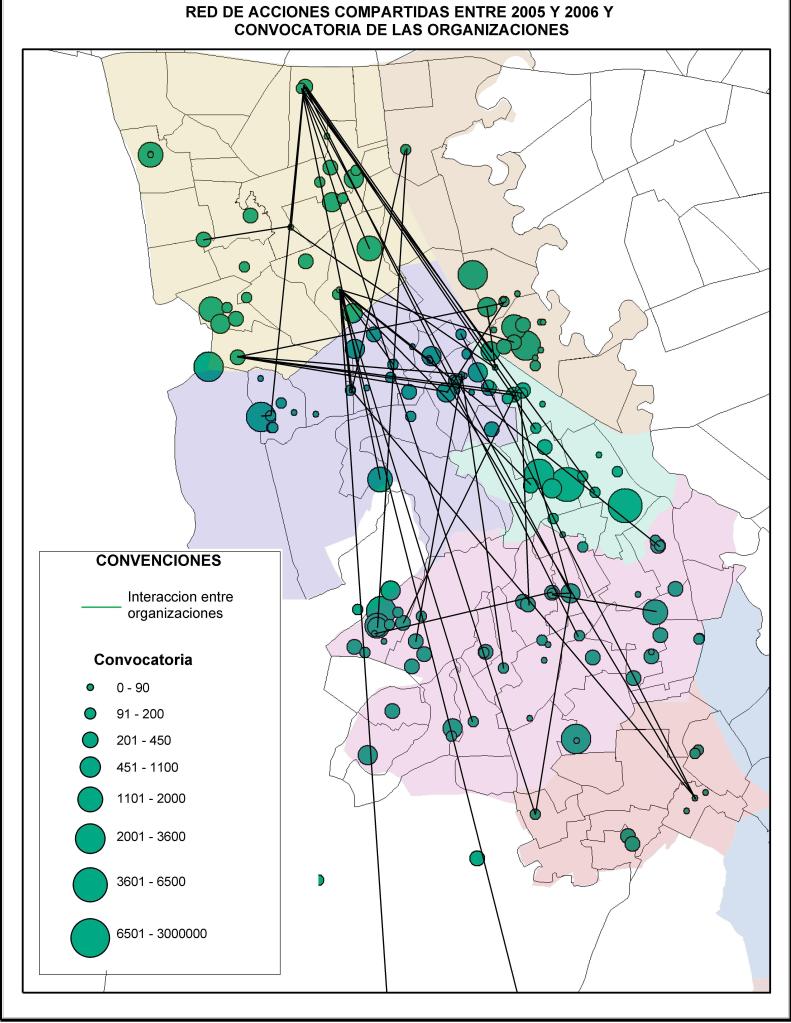
Delve into the spatial dimensions of peace-building efforts and explore the diverse actors, institutions, and communities involved in shaping peaceful transformations. Develop the skills and knowledge necessary to conduct comprehensive territorial analysis and enhance the effectiveness of peace initiatives. In this program, we examine the technical tools for making network analysis with a specific emphasis on the spatial and territorial deploying of actor´s networks. By understanding their spatial interactions, power dynamics, and relationships, we can identify opportunities for collaboration, dialogue, and inclusive decision-making processes.

Food Security, Food Sovereignty, and Peacebuilding
Food security and food sovereignty are key challenges in the post-conflict societies. The means and purposes of food security and food sovereignty are not similar but could be complementary. They are strategically interconnected. The interest of the training is to provide tools for assessing and promoting food security and food sovereignty. In the training we offer tools for connecting food sovereignty with the peacebuilding in general, and make special emphasis in environment peace.
Spatiality of peace: tools for understand socio.-spatial and environmental transformations that peace requires.
In this training you will acquire essential tools and methodologies to understand the socio-spatial and environmental dynamics that peace requires. In this program, we delve into the spatial dimensions of peace and the tools available for comprehending socio-spatial and environmental transformations. By understanding how space and place influence social dynamics and environmental processes, we can effectively address the challenges and opportunities for peace-building. Through a combination of engaging lectures, interactive discussions, and hands-on exercises, you’ll acquire the practical skills necessary to navigate qualitative and quantitative spatial analysis techniques and concepts in peace-building processes, ensuring inclusivity, equity, and sustainability
 Luis Berneth Peña